Understanding the Family Ursidae
Bears belong to the family Ursidae, a group of large mammals found across North America, South America, Europe, and Asia. Despite their widespread cultural presence, only eight species of bears exist today, ranging from the massive polar bear of the Arctic to the relatively small sun bear of Southeast Asia.
All bears share common traits: a large body, stocky legs, a long snout, thick fur, and plantigrade paws with non-retractile claws. They are generally omnivorous, with notable exceptions — the polar bear is almost entirely carnivorous, while the giant panda feeds overwhelmingly on bamboo.
Several bear species face serious conservation threats due to habitat loss, climate change, and human-wildlife conflict. Understanding each species is a crucial step toward ensuring their long-term survival. On this site we profile five of the eight living species in depth.
Explore Bear Species
Click on any species to learn about their habitat, diet, behavior, and conservation status.
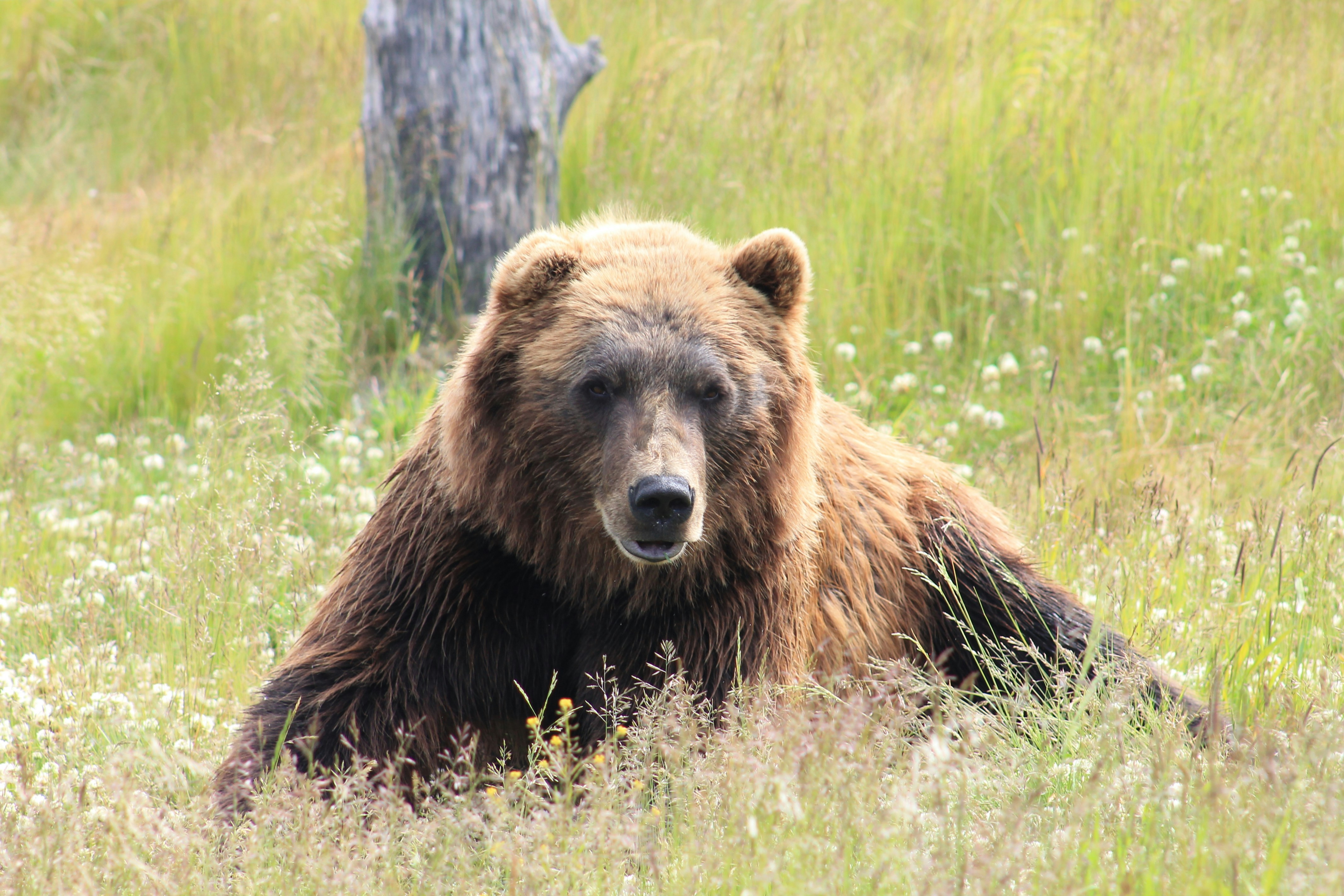
Brown Bear
The most widely distributed bear species on Earth, found across North America, Europe, and Asia. Highly adaptable and occupying habitats from coastal shorelines to alpine meadows.
Read more →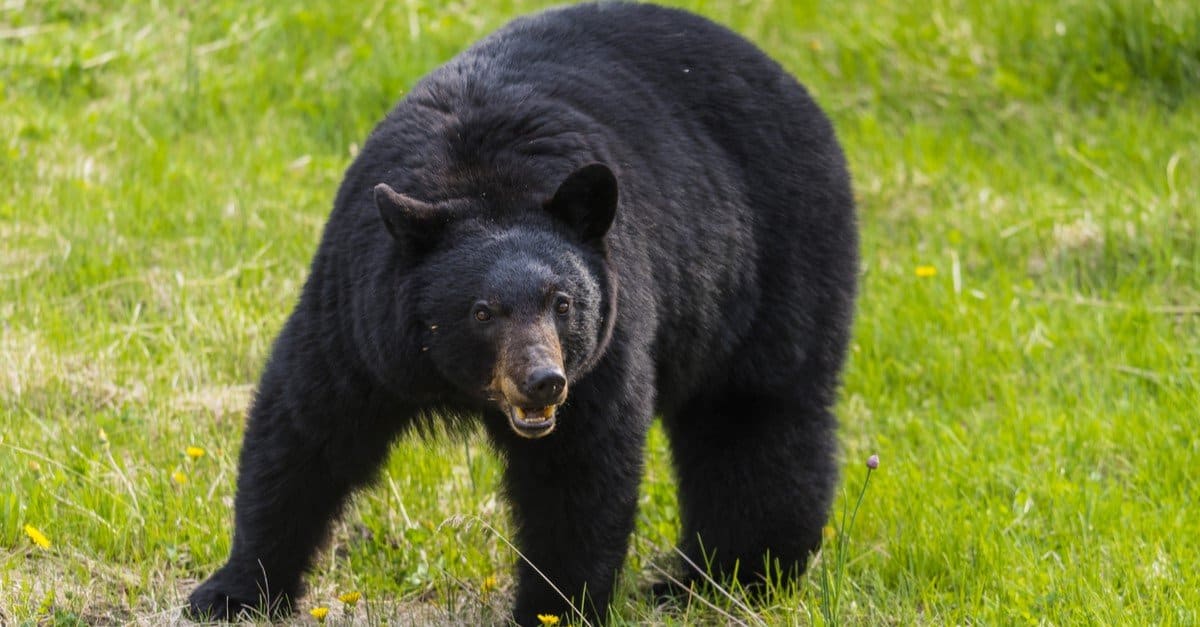
American Black Bear
The most common bear in North America with an estimated population exceeding 800,000. Despite their name, they can be brown, cinnamon, blonde, or even white.
Read more →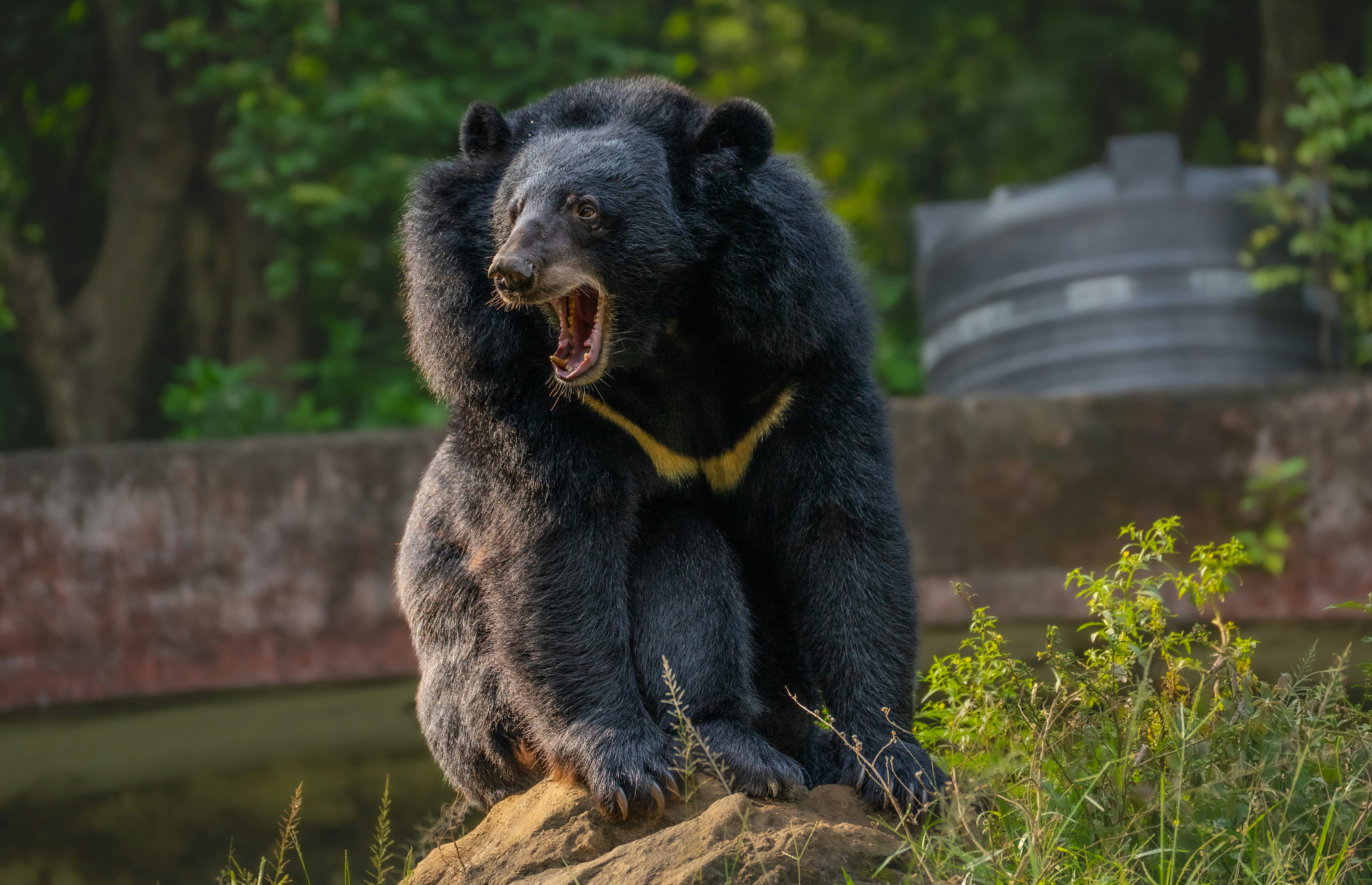
Asian Black Bear
Known as the moon bear for the crescent-shaped white patch on its chest, this arboreal species roams the forests of eastern and southern Asia and faces severe conservation pressure.
Read more →
Polar Bear
The largest living land carnivore, perfectly adapted to life in the Arctic. Depends on sea ice to hunt seals and is increasingly threatened by the effects of climate change.
Read more →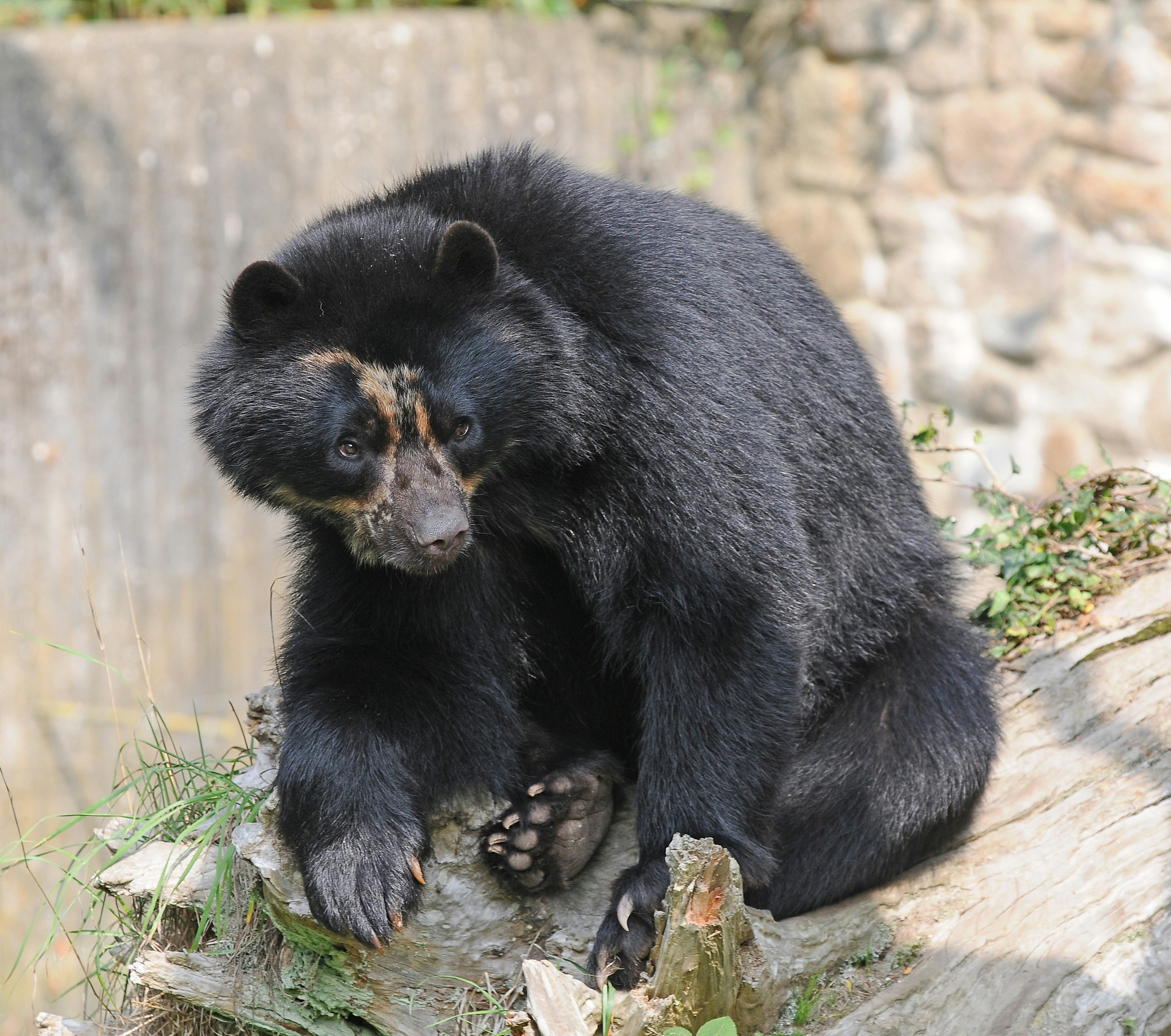
The Other Three Species
Beyond the five species profiled on this site, three additional bears inhabit various corners of the globe. The sun bear (Helarctos malayanus) is the smallest bear species, living in the tropical forests of Southeast Asia, where it uses its remarkably long tongue to extract honey and insects from tree cavities.
The sloth bear (Melursus ursinus) is found on the Indian subcontinent and is uniquely adapted for feeding on termites and ants — it can close its nostrils and use its lips like a vacuum tube. And perhaps the most iconic of all, the giant panda (Ailuropoda melanoleuca) is native to central China, feeding almost exclusively on bamboo despite possessing the digestive system of a carnivore.
Each species plays a vital ecological role in its respective habitat, from seed dispersal to regulating prey populations. Conservation efforts worldwide aim to protect these remarkable animals and the ecosystems they inhabit.